
Medical Care and Hope for people with albinism at Ukerewe
-
About 140 kilometres from St Mary's Hospital in Kibara, on the island of Ukerewe in Tanzania, lives a special and vulnerable community: people with albinism.
For them, life is often a daily struggle, not only against the medical consequences of their condition, but also against superstition, exclusion and even persecution.
Koroboi Foundation is committed to providing loving and essential medical care to these people - through St Mary's Hospital. But more is needed: acceptance, protection and better living conditions.
What is albinism?
Albinism is a genetic disorder in which the body produces little or no melanin, the pigment that gives skin, hair and eyes their colour. This leads to extremely pale skin and increased sensitivity to sunlight. Albinism is often accompanied by poor vision and an increased risk of skin cancer. Globally, albinism occurs in about 1 in 20,000 people, but in some parts of Africa the figure is much higher - in Tanzania, for example, about 1 in 1,400 people.
Medical consequences and the need for care
People with albinism face several health risks, including:
- Skin cancer: Lack of pigment puts them at much higher risk of skin cancer, especially in sunny areas like Tanzania. Without protection, many develop serious skin conditions at a young age.
- Eye problems: Albinism often leads to low vision or even severe visual impairment. This complicates education, work and independence.
- Wounds and infections: Due to extreme sensitivity to the sun, burns can occur quickly, leading to open wounds and infections. Good medical care is essential to prevent and treat this.

Photo: courtesy of Jay Momenta
The social stigma and danger
In addition to the medical challenges, people with albinism often face social exclusion and danger. In some parts of Africa, there is a persistent superstition that regards them as 'magical'. This has led to tragic persecution: some people with albinism are mutilated or even murdered because their body parts are used in rituals. Fortunately, Ukerewe is a relatively safe haven for them, but the threat remains.
The role of St Mary's Hospital and Koroboi Foundation
St Mary's Hospital provides essential care to people with albinism, including:
- Preventive care: Free sunscreen, protective clothing and education on preventing skin diseases.
- Medical treatments: Wound care, skin cancer treatment and eye care.
- Psychosocial support: Through medical counselling and education, they work towards greater self-confidence and better integration into society.
Future: Acceptance and better living conditions
In the future, Koroboi Foundation wants to contribute to further acceptance and improved living conditions for this community. This can be done by:
-
- Awareness campaigns: Education about albinism to combat stigma and superstition.
- Collaboration with local organisations: To increase social and economic opportunities.
- Targeted help and protection: Provide support for training, employment and safe housing.
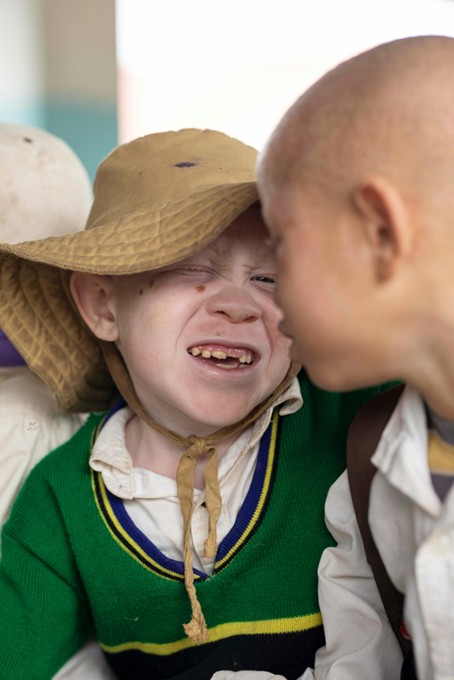
Photo: courtesy of Jay Momenta
Together, we can make a difference for people with albinism in Ukerewe. Do you want to contribute to their care and future? Your support means light in their darkness.
With warm regards,
Board of the Koroboi Foundation
Share this blog via:
 English (UK)
  Nederlands
  Kiswahili