
Koroboi Foundation Blog – October 2026
-
Next step: structural attention to malnutrition in young children
In March and April we already wrote about the importance of a good start for newborns and young children. Now that topic has become more concrete. From Kibara, a new proposal has emerged to build care for children with malnutrition more systematically and structurally.
Malnutrition in young children is more than just a lack of food. It can weaken the immune system, slow growth, and have long-term effects on a child’s development. Therefore, good care in the early years can make a big difference.
For the Koroboi Foundation, this is a topic that closely aligns with the focus we have been placing on pregnant women, mothers, newborns, and young children for some time now. Significant steps have already been taken in recent years with the improvement of the maternity ward and its facilities. However, good care does not end at birth. Attention also needs to continue after birth, focusing on health, nutrition, and development.
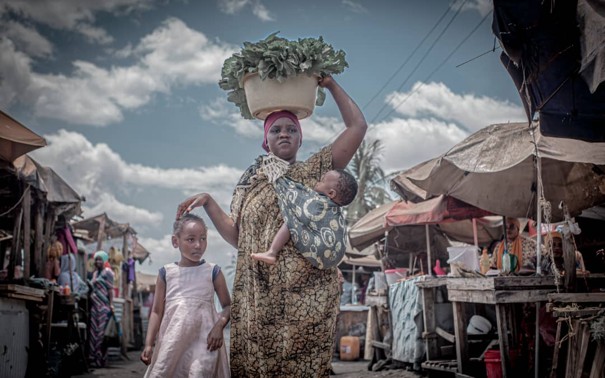
A good start starts with good care (photo by Michael Gushaha)
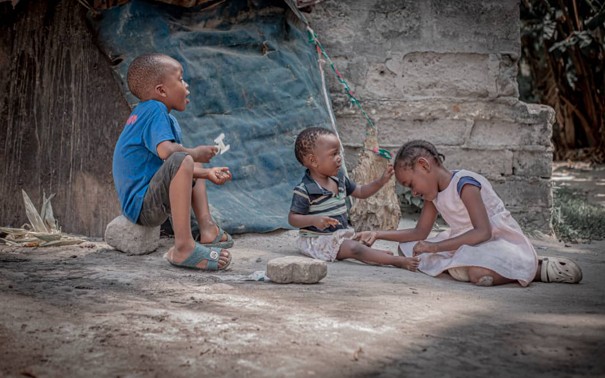
Growing up healthy gives opportunities (photo by Michael Gushaha)
A multi-year approach
From Kibara we have now received a new proposal for a multi-year Malnutrition Plan.
The idea behind the plan is to gradually build up the care for children with malnutrition. This includes, among other things:
- a special room or department for treatment;
- training and education of employees;
- the provision of therapeutic food;
- support for parents and caregivers;
- outreach and early warning;
- monitoring treatment results.
We find it positive that not only a one-time investment is being considered, but an approach that can be built up over several years.
In a subject like malnutrition, continuity is important. A bed, device, or supply of food can help immediately, but sustainable improvement also requires knowledge, good organization, collaboration, and monitoring of results.
Step by step
At the same time, we believe it is important to carefully build such a project.
Not everything needs to be done at the same time. A first phase could, for example, consist of further developing the care, training staff, making available necessary materials and therapeutic food, and carefully recording the children being treated.
After that, based on experience and results, it can be determined which follow-up steps are actually necessary and feasible.
This way of working fits well with how the Koroboi Foundation wants to shape its collaboration with Kibara: plans are developed locally; together we look at what is feasible, and then we try to gradually enable sustainable improvement.
Collaboration with others
In a multi-year project like this, we find cooperation to be particularly important.
In Tanzania, there is already a lot of practical experience with the treatment of malnutrition. For example, we have been maintaining good contacts for some time with people associated with Shirati Hospital, where practical experience has been gained for a long time with programs related to malnutrition and therapeutic nutrition.
Our contacts with the Catholic University of Valencia also offer potential opportunities. There is knowledge available in the fields of healthcare, education, and nutrition.
In the coming period, we would like to further explore the role that such partners can play in the substantive development of the plan.
Not because solutions from the outside need to be considered, but because good cooperation can make local plans stronger.
More than just financing
For the Koroboi Foundation, supporting such a project therefore means more than just providing financial support.
We want to contribute to good preparation, reliable cooperation and an approach that can continue to function in the long term.
A multi-year project requires clear goals, a realistic budget, good agreements on responsibilities, and a clear way to track results and spending.
That is now being further worked on.
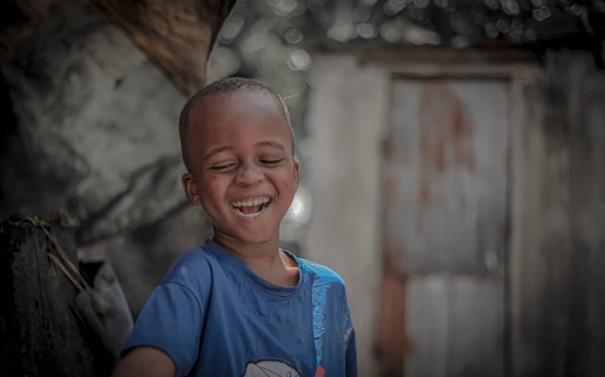
Space to grow (photo by Michael Gushaha)
A subject that suits us
We consider the approach to malnutrition in young children a particularly valuable topic for further exploration.
It directly touches on health, development and future opportunities. And it aligns with the line we have built together with Kibara over the past few years: better care for mothers, newborns and children, always from practical and achievable steps.
In the coming period, we will continue to work together on the content, the timing, and possible collaboration with other organizations.
As soon as there is more clarity on that, we would be happy to tell you more about it.
 English (UK)
 Nederlands
 Kiswahili